ADHD in Women: Why It So Often Goes Unrecognised
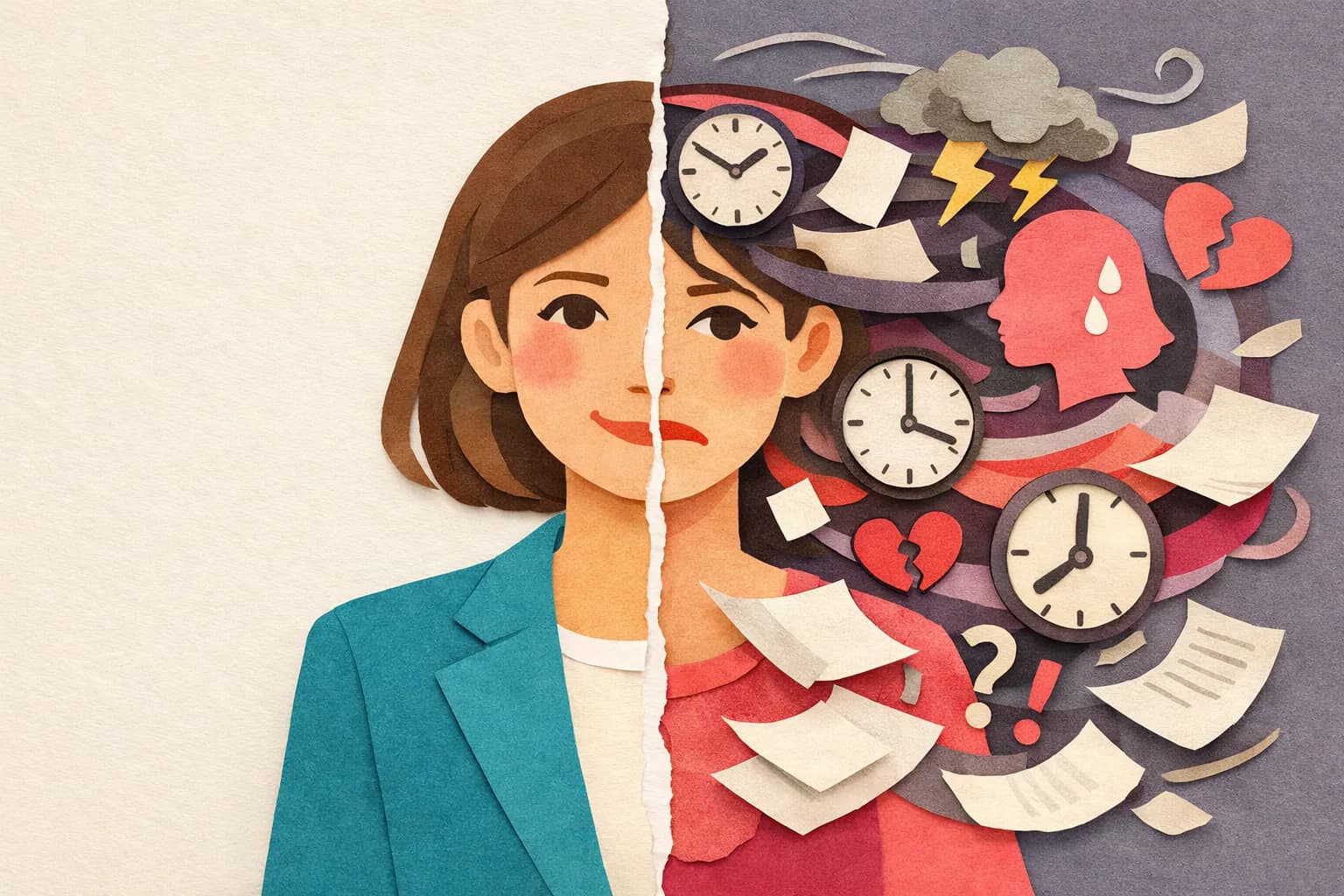
ADHD affects women and men in roughly equal numbers, yet women receive a diagnosis on average five years later than men[1]. Why? The answer lies in the specific way ADHD presents in women — symptoms often stay hidden beneath a mask of perfectionism and social expectations.
For years ADHD was associated mainly with hyperactive boys who couldn't sit still. In women the disorder looks quite different — more subtle, but equally disruptive to daily functioning.
Why ADHD in women is hard to recognise
Differences in symptoms between the sexes
While hyperactivity and impulsivity dominate in boys and are easy to spot, girls and women tend to show inattentive-type symptoms. These manifest as difficulty concentrating and sustaining attention, internal restlessness rather than external hyperactivity, a tendency toward daydreaming and "mind wandering," forgetting everyday tasks, and problems with organisation and planning.
These symptoms are far less visible to others and are often misinterpreted as laziness, absent-mindedness, or "typical female" behaviour — which leads to years of the real problem going unrecognised.
Social masks and perfectionism
Women with ADHD frequently develop masking strategies for their difficulties:
The perfectionist mask — everything outwardly flawless, but at an enormous cost in effort and mental health. As one woman described: "For years I built up an appearance that I was coping, that I was strong. But inside everything was falling apart."
The "good girl" mask — never causing problems, but suppressing her own emotions and needs.
The multi-tasking mother mask — juggling all household and professional duties, but collapsing with exhaustion by evening.
These masks can hold for years, but they demand enormous energy and lead to burnout and overload.
Typical ADHD symptoms in adult women
Inattention and difficulty concentrating
Women with ADHD often struggle with difficulty completing tasks — they start many projects simultaneously but have serious problems finishing them. Equally common is forgetting important things such as deadlines, appointments, or bill payments — see the full list of ADHD symptoms in adults — which can lead to stress and conflict in professional and personal life.
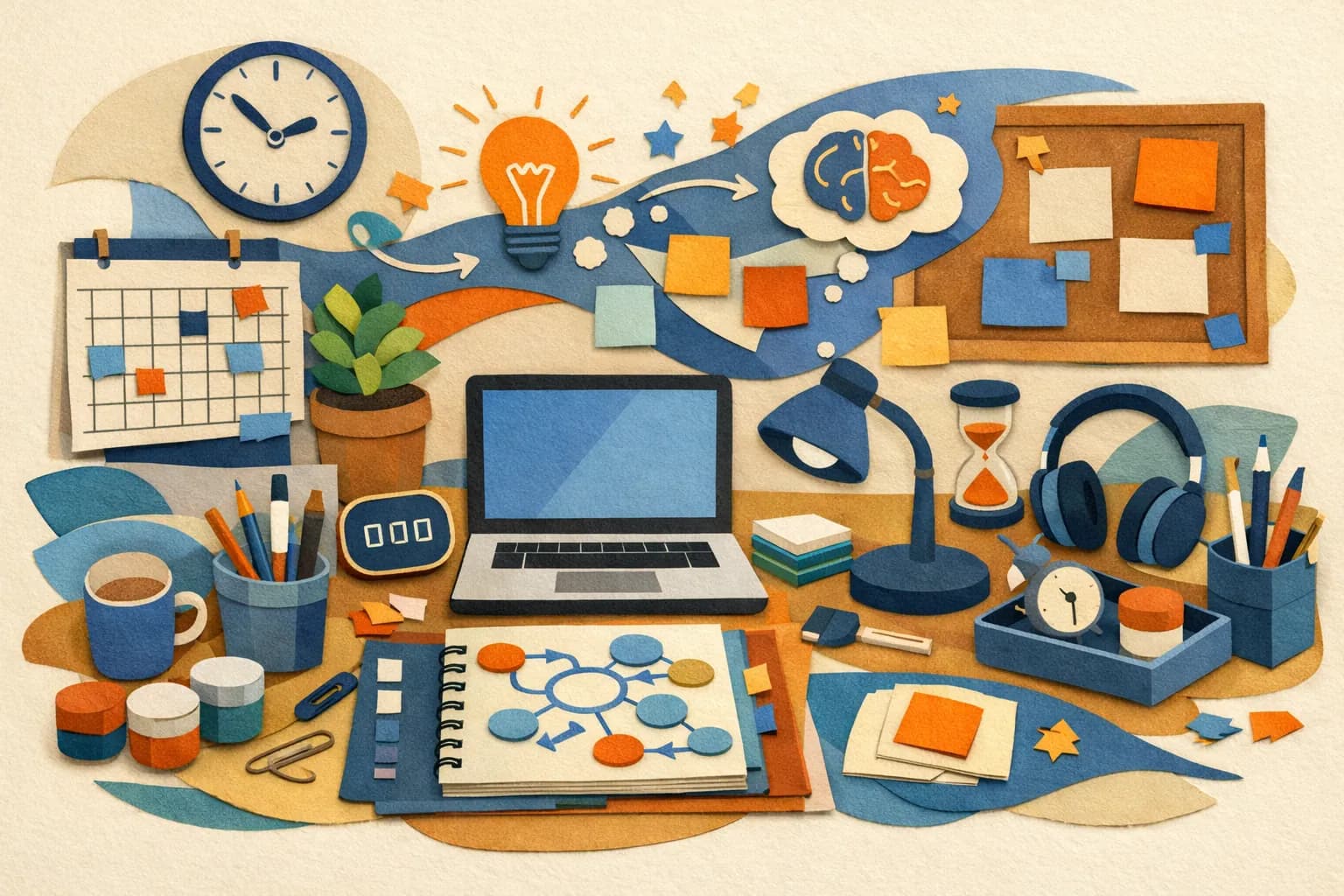
Organisational problems show up as desk clutter, a disorganised bag, and difficulty maintaining order at home. Many women describe feeling overwhelmed by daily tasks and easily distracted, especially by external stimuli and their own racing thoughts.
Emotional impulsivity
In women, impulsivity rarely shows up as external behaviour the way it does in men with ADHD. Instead, women more often experience impulsive purchasing decisions, especially during stress, when shopping becomes a way of finding temporary relief.
Intense emotional reactions and difficulty with emotional regulation are another characteristic symptom. Women may react too strongly to situations they later assess as not warranting such a response. Interrupting others in conversation also occurs, though it is often followed by embarrassment. Talkativeness appears particularly when a topic captivates them — they may speak non-stop without noticing the other person is trying to respond.
Inner restlessness
Instead of the classic hyperactivity more easily noticed in children and men, women with ADHD experience inner restlessness. It is characterised by racing thoughts that constantly "spin" in their head, making it hard to focus on current tasks.
Many women describe difficulty relaxing and a constant sense that they should be doing something. This inner compulsion often leads to sleep problems — difficulty switching off thoughts at the end of the day. Physical tension is also common, showing up as jaw clenching, muscle tightening, or an inability to fully relax the body.
How hormones affect ADHD symptoms
Research indicates that hormones have a significant effect on ADHD symptom severity in women:
The menstrual cycle
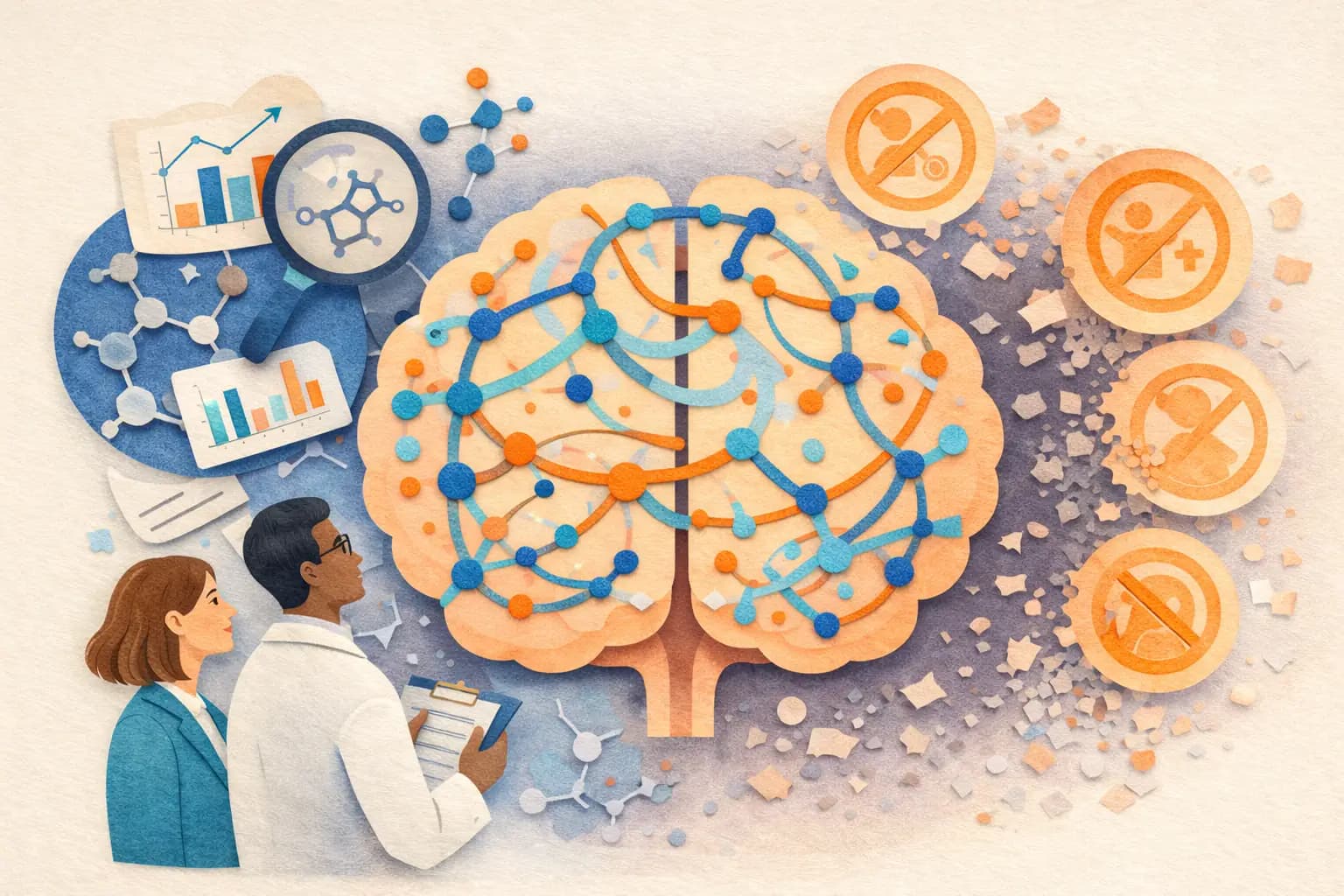
ADHD symptoms in women can intensify markedly before menstruation, when a drop in oestrogen affects the availability of dopamine in the brain[2]. Difficulties with concentration, organisation, and emotional regulation may be especially intense in the second half of the cycle — something that is often mistakenly attributed to premenstrual syndrome.
Pregnancy and the postpartum period
During pregnancy many women experience improved ADHD symptoms due to elevated oestrogen levels. After giving birth, however, a significant worsening of all symptoms can occur — and it can easily be mistaken for postpartum depression. This is one reason many new mothers receive an incorrect diagnosis and inappropriate treatment.
Menopause
The menopausal period is a time when declining hormones can reveal previously hidden ADHD symptoms. Many women receive their first diagnosis at this stage of life, when masking strategies become less effective in the face of hormonal change.
Consequences of a late diagnosis
Emotional and mental health problems
Women with unrecognised ADHD often struggle with low self-esteem rooted in the constant sense that "they are doing something wrong" without being able to identify what. This frequently leads to depression and anxiety, which are treated as primary disorders when they are actually secondary to undiagnosed ADHD.
Some women develop eating disorders as a way of controlling internal chaos and feeling a sense of agency. Occupational burnout is also common — the result of the extraordinary effort needed to hide their difficulties from others.
When a diagnosis does finally arrive, it often opens a separate emotional process of its own — relief, anger, and grief all at once. Read more about how to navigate it in the article on ADHD late diagnosis: processing relief, grief, and anger.
Relationship difficulties
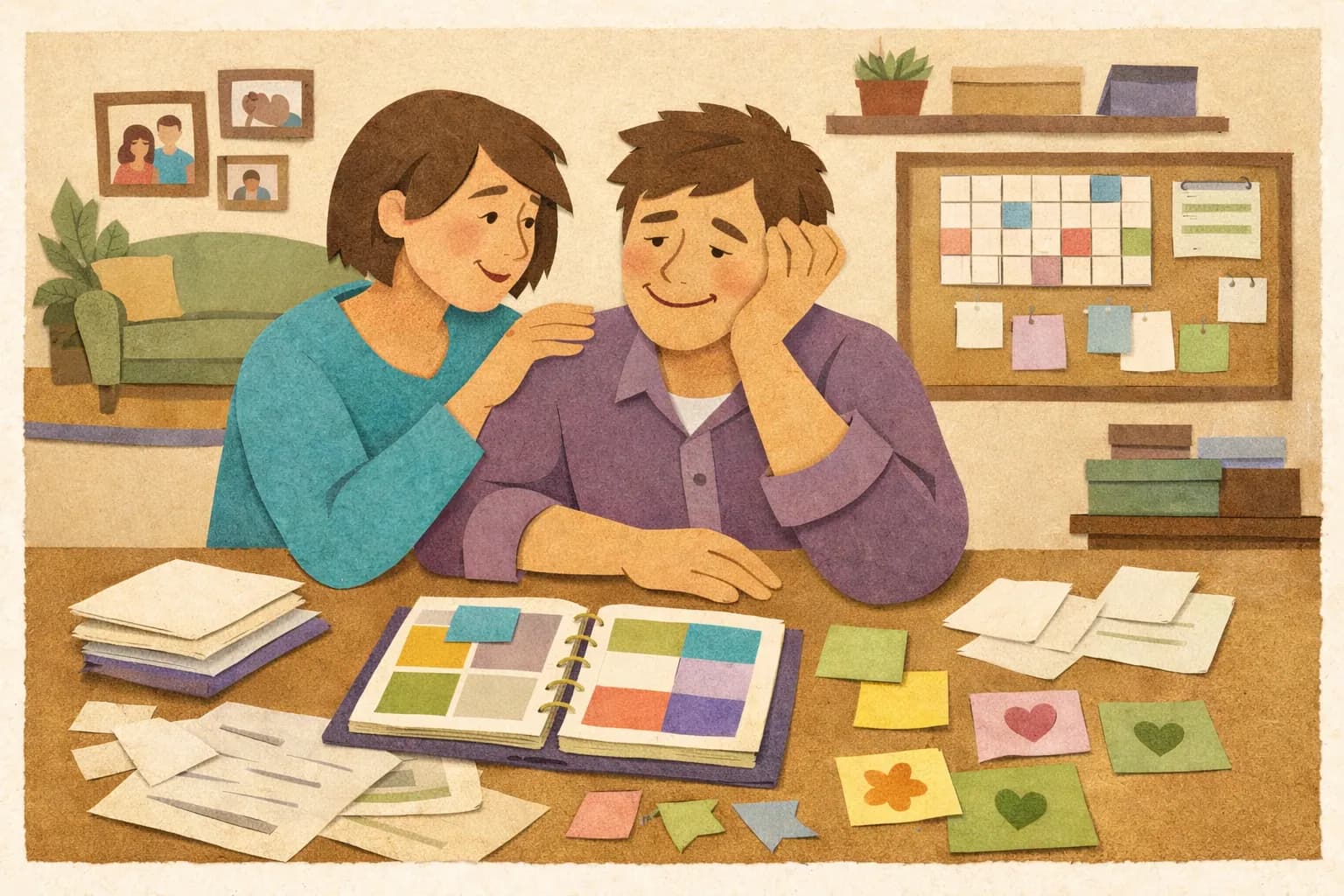
Unrecognised ADHD often causes conflicts in relationships stemming from difficulty organising daily life and regulating emotions — see how ADHD affects relationships and family life for a fuller picture. Many women describe parenting challenges and a feeling of being overwhelmed by the everyday demands of running a household and caring for children.
Social isolation is a common consequence of shame about their difficulties — women withdraw from relationships, fearing judgement or misunderstanding.
Impact on career
Procrastination and leaving important tasks until the last moment are typical challenges — see the article on procrastination and ADHD — in the professional lives of women with ADHD. Time-management difficulties and trouble meeting deadlines can lead to workplace conflicts, particularly when these are interpreted as lack of commitment or professionalism — learn effective workplace strategies for ADHD.
Do you have ADHD?
Quick online assessment based on the latest research
Breaking stereotypes about ADHD
Myth: "ADHD is a little boys' condition"
Reality: ADHD affects women and men in similar numbers, but symptoms in women are less visible and frequently go unrecognised.
Myth: "Women with ADHD are just absent-minded"
Reality: Behind apparent absent-mindedness lie genuine neurobiological difficulties that require understanding and support. For a full breakdown of ADHD misconceptions, see ADHD myths and facts.
Myth: "If you function professionally, you can't have ADHD"
Reality: Many women with ADHD achieve professional success — but at an enormous cost in effort and stress.
The path to diagnosis and treatment
When to seek help
Consider consulting a specialist if you struggle with organising your life despite great effort — when you feel you are putting in enormous energy but still can't "manage" all your responsibilities. It is also worth seeking expert input when you feel overwhelmed by everyday tasks to a degree significantly greater than those around you.
Concentration problems at work or in study that persist despite efforts to solve them, and intense mood swings, are further signals that professional help is worth seeking. Particularly important is trusting your own sense — if you feel something is "not right" but can't name it, that may be a sign worth exploring ADHD further.
The diagnostic process
An ADHD diagnosis in adult women is a multi-step process that should include a detailed childhood history — symptoms were often present then, but went unnoticed by parents and teachers. An assessment of current functioning across different domains — professional, family, and social — is equally important.
A specialist should also rule out other disorders such as depression, anxiety, or hormonal imbalances that can present similarly. Critically important is accounting for female specifics — the influence of hormones on symptoms and the masking strategies women often develop.
Treatment options
Effective treatment of ADHD in women requires a holistic approach combining different methods. Pharmacotherapy using stimulant or non-stimulant medications can significantly improve concentration and reduce impulsivity — see the comprehensive ADHD treatment guide — but should be combined with other forms of support.
Psychotherapy, particularly cognitive-behavioural therapy, helps develop effective strategies for managing ADHD symptoms. Daily life management strategies — learning organisation, planning, and concentration techniques — are essential for practical functioning.
Group support and contact with other women with ADHD can also be enormously valuable — it offers a sense of being understood and the opportunity to learn from others in similar situations.
Do you have ADHD?
Quick online assessment based on the latest research
FAQ — common questions about ADHD in women
Can I have ADHD if I was never hyperactive?
Yes. In women ADHD rarely presents as classic hyperactivity. Inattention, inner restlessness, and organisational difficulties are far more common.
Why was my diagnosis so late in coming?
Women often develop effective masking strategies, which means ADHD goes unrecognised for years. Additionally, diagnostic criteria were historically based on research conducted mainly on boys.
Do hormones affect ADHD symptoms?
Yes — hormones have a significant effect on ADHD symptoms in women. Hormonal fluctuations during the menstrual cycle, pregnancy, and menopause can intensify or alleviate symptoms.
Does ADHD treatment differ for women versus men?
Treatment should account for female specifics, including the influence of hormones, the tendency to internalise problems, and frequently co-occurring mood disorders.
How can I help myself before receiving a diagnosis?
Start by observing your own behavioural patterns, introduce basic organisational strategies, and consider using practical tips for living with ADHD or time-management tools.
Summary: your journey to understanding ADHD
ADHD in women is often a hidden struggle with daily challenges, waged behind a facade of external control. Understanding that difficulties with concentration, organisation, or emotional regulation may have a neurobiological basis is the first step toward a better life.
Remember: You are not lazy, irresponsible, or "not enough." Your brain simply works differently — and that difference, with the right support, can become a strength.
If you recognise yourself in the symptoms described here, don't wait. Early diagnosis and the right treatment can significantly improve the quality of your life, your relationships, and your professional satisfaction.
A first step could be taking an ADHD screening test online, which will help you better understand your experiences and determine whether consulting a specialist is worthwhile.
Useful resources
Organisations and websites supporting women with ADHD
- CHADD – Women and Girls with ADHD – dedicated resources for women and girls with ADHD
- ADDitude – Women with ADHD – articles and advice specific to women
- ADHD Women's Palooza – annual online conference for women with ADHD
- The Mini ADHD Coach – app and resources supporting women with ADHD
Scientific sources
[1] Quinn, P. O., & Madhoo, M. (2014). A review of attention-deficit/hyperactivity disorder in women and girls: uncovering this hidden diagnosis. The Primary Care Companion for CNS Disorders, 16(3).
[2] Epperson, C. N., Steiner, M., Hartlage, S. A., et al. (2012). Premenstrual dysphoric disorder: evidence for a new category for DSM-5. American Journal of Psychiatry, 169(5), 465-475.