How ADHD Affects Relationships and Family Life
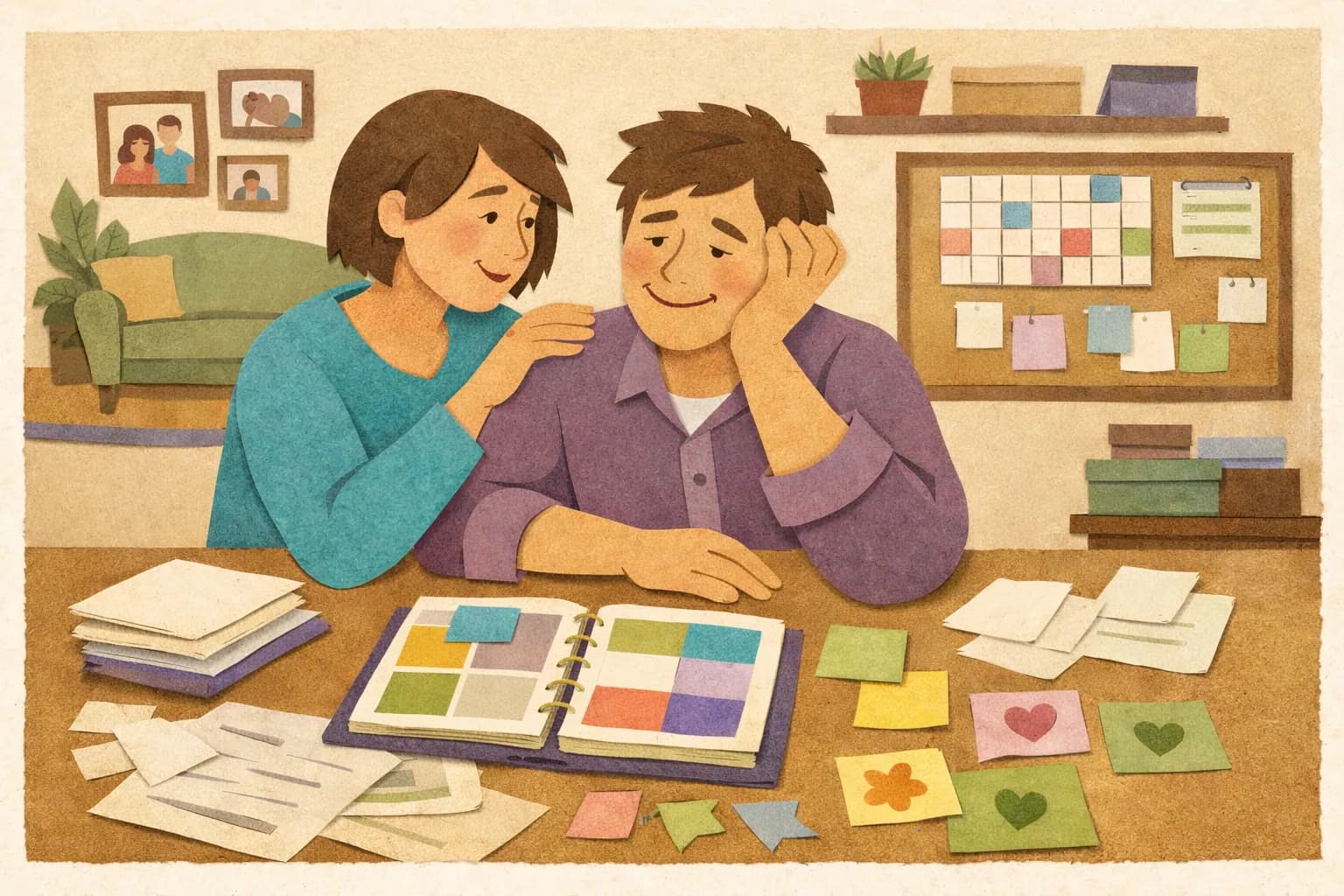
ADHD in relationships is a challenge that touches millions of couples and families around the world. When a partner lives with attention deficit hyperactivity disorder, family life can be filled with misunderstandings, frustration — but also unexpected joy and deep connection. Understanding how ADHD and relationships interact is the first step toward building a healthy, supportive partnership with someone who has ADHD.
How ADHD affects communication in a relationship
Communication is the foundation of any relationship, but with ADHD it can become a daily challenge. People with ADHD often experience difficulties that can be baffling to a neurotypical partner.
Trouble maintaining attention during conversations
A partner with ADHD may "tune out" during important conversations — something that is often misread as lack of interest or respect. In reality, the ADHD brain has difficulty filtering stimuli: even the sound of the refrigerator or a passing car can divert attention from a conversation. This is one of the typical ADHD concentration symptoms.
Impulsivity in what is said
Impulsivity is another key ADHD symptom that affects communication. People with ADHD may:
- Interrupt mid-sentence
- Blurt out thoughts without considering their impact
- React emotionally to criticism or feedback
- Make quick decisions without consulting their partner
Difficulty remembering details
Forgetting important information, dates, or promises is a frequent source of conflict. A partner without ADHD may feel dismissed when the other person forgets anniversaries, appointments, or important conversations.
ADHD in family life — everyday challenges
Family life with ADHD can sometimes feel like riding a rollercoaster. Intense emotions, organisational chaos, and unpredictability become part of the daily routine.
Domestic chaos and organisational difficulties
Homes where someone has ADHD often have a characteristic "creative mess." This can include:
- Unfinished projects scattered around the house
- Documents and bills "lost" somewhere in piles of paper
- Difficulty maintaining cleaning routines — see practical tips on organising daily life with ADHD
- Forgetting everyday household tasks
Parenting challenges
When a parent has ADHD it can affect:
- Consistency in parenting — difficulty maintaining stable rules and boundaries
- Time management — lateness for school events, playdates, or medical appointments
- Patience — quick frustration in stressful situations
- Organisation — forgetting school bags, homework, or extra-curricular activities — linked to procrastination challenges in ADHD
Impact on siblings and children
Children in families with ADHD may experience:
- Unpredictability in the daily rhythm
- Having to take on responsibility earlier than peers
- More frequent emotional tensions at home
- Difficulty understanding a parent's ADHD behaviour
Emotional aspects of living with a partner who has ADHD
ADHD does not only affect organisation and communication — it also deeply shapes the emotional climate of a relationship.
Emotional intensity
People with ADHD often experience emotions very intensely. Joy can be ecstatic, but sadness or anger can be equally overwhelming — a pattern rooted in ADHD emotional dysregulation. This intensity can be both a gift and a challenge for a partner.
Sensitivity to criticism
After years of negative feedback ("you never listen," "you're so disorganised"), people with ADHD often develop hypersensitivity to any criticism. Even constructive comments can be received as a personal attack. This is a particular issue for women with ADHD, who frequently mask their symptoms for years at a significant cost to their mental health.
Cycles of high energy and exhaustion
ADHD is characterised by periods of hyperfocus and high energy, followed by phases of complete exhaustion and overload. A partner may not understand why the person who organised the whole flat for eight hours yesterday today has no energy for a conversation.
Do you have ADHD?
Quick online assessment based on the latest research
Practical strategies for couples and families
Life with ADHD in a family requires conscious strategies — but it can be filled with joy and deep connection.
Improving communication
Clarity and specificity: Use simple, unambiguous messages. Instead of "clean up," say "please wash the dishes in the sink."
Active listening technique: After important conversations, verify that the partner understood the main points: "Can you repeat back what we agreed to?"
Avoid long monologues: Break longer conversations into shorter segments with pauses.
Choose the right moment: Have important conversations when the partner with ADHD is not tired or distracted.
Organising family life
Shared calendars: Use a calendar app with reminders for the whole family.
Visual routines: Create colourful planners with daily tasks.
Division of tasks: Assign each family member specific, regular responsibilities.
Double-check systems: Introduce "double-check" systems for important items.
Managing emotions
Warning signals: Agree on a signal when emotions are running high: "I need 15 minutes."
Celebrate successes: Acknowledge small steps and progress, not only major achievements.
Couples therapy: Consider professional support, especially therapy specialising in ADHD.
Understanding the nature of ADHD — the key to harmony
The most important thing in a relationship with a person who has ADHD is understanding that most difficulties stem from neurobiology, not bad intentions — as shown in the ADHD myths and facts article.
ADHD is not a choice
Forgetting, getting distracted, or being impulsive are symptoms of a neurological disorder — not signs of laziness or lack of love. ADHD will not go away by trying harder.
Strengths of ADHD in relationships
People with ADHD often bring remarkable qualities to partnerships. Creativity and spontaneity mean life with them is never dull — they may suggest a spontaneous trip at midnight or arrange a romantic dinner out of nothing.
Emotional intensity means that when they love, they love wholeheartedly, without half-measures. Many also have strong empathy — they are acutely sensitive to others' needs and can intuitively pick up on their partner's mood. A sense of humour helps them defuse tension with a joke, even in the most difficult moments.
When something captures their interest, they engage 100% — that passion can be infectious and inspiring for the whole family.
Building a narrative of compassion
Instead of thinking "they always forget," try thinking "their brain has difficulty with working memory." This shift in perspective can radically improve the atmosphere at home.
FAQ — common questions about ADHD in relationships
Can a relationship with someone who has ADHD work?
Absolutely. It requires mutual understanding, patience, and sometimes professional support. Many couples living with ADHD build very deep, happy relationships.
How to support a partner with ADHD without "parenting" them?
Offer systemic support (reminders, organisation) without taking over their responsibilities. The goal is collaboration, not replacing the partner in their duties.
Does ADHD affect parenting?
ADHD can affect parenting, but it does not mean being a worse parent. Many people with ADHD are fantastic parents — spontaneous, creative, and full of energy. For practical strategies on managing home, routines, and overwhelm, see our guide on parenting with ADHD.
When to seek a specialist?
When conflicts intensify, communication deteriorates, or one of you feels overwhelmed. Couples therapy specialising in ADHD can be very helpful.
Will ADHD medication improve the relationship?
Medication can significantly help manage ADHD symptoms — see all ADHD treatment options — which often has a positive effect on relationships. However, it is not a magic solution to all problems. Working on communication and mutual understanding is equally important.
Summary: love knows no barriers
ADHD in a relationship is not a verdict — it is an invitation to deeper understanding of yourself and your partner. Yes, it requires more awareness, patience, and sometimes creative problem-solving. But the rewards — in the form of authentic closeness, mutual support, and a unique relationship dynamic — can be extraordinary.
The key is remembering that ADHD is only one aspect of the person. Behind the symptoms is a human being with dreams, fears, talents, and a need for love — just like anyone else.
If you or a loved one suspects ADHD, don't delay seeking help. Learn about the benefits of an ADHD diagnosis — it could completely transform the quality of your relationship. It's also worth knowing that ADHD affects more than romantic relationships — see how ADHD shapes friendships and social connections.
Do you have ADHD?
Quick online assessment based on the latest research
Useful resources
Support for couples and families
- CHADD – Family and Relationships – resources for couples and families living with ADHD
- ADDitude – Relationships – articles on relationships and ADHD
- ADHD & Marriage – Melissa Orlov's portal on relationships with ADHD
- Relate – couples therapy with ADHD expertise
Books for couples (available online)
- The ADHD Effect on Marriage – Melissa Orlov
- Is It You, Me, or Adult A.D.D.? – Gina Pera