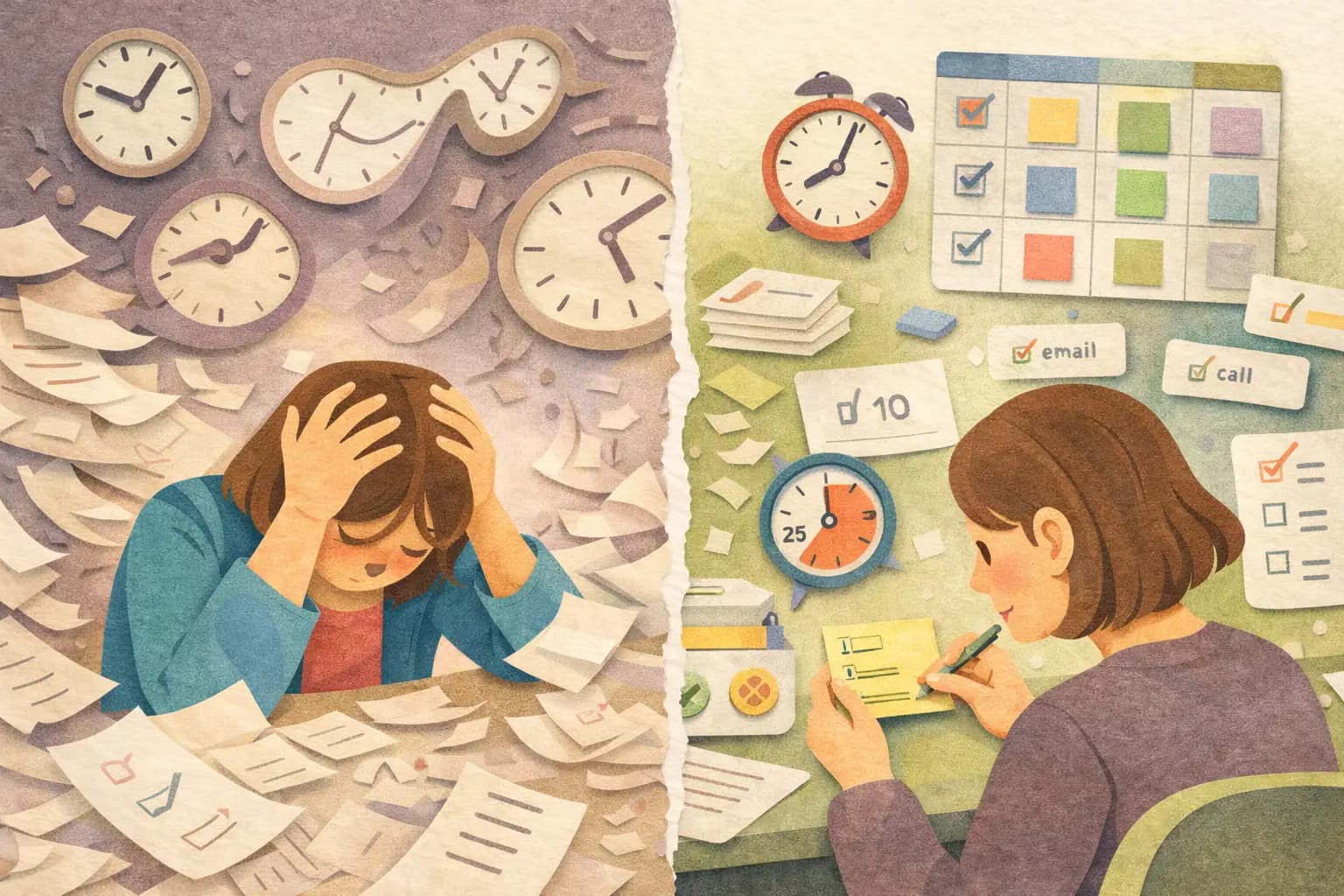
Is Getting an ADHD Diagnosis Worth It? Benefits Explained

Is getting an ADHD diagnosis worth it as an adult? More and more people ask this after years of struggling with concentration, organisation, or emotional regulation — and beginning to suspect there may be a neurobiological explanation.
An official ADHD diagnosis is not a label or a verdict — it is a key to understanding yourself and an opportunity to improve your quality of life.
This article covers the concrete benefits of an adult ADHD diagnosis and explains why unrecognised ADHD can lead to serious problems in everyday life.
Why so many adults hesitate to pursue an ADHD diagnosis
Before listing the benefits, it helps to understand why many adults put off getting assessed. Common fears include social stigma ("what will people think?"), not wanting to be defined by a diagnosis, doubts about whether the process is worthwhile, worry about having to take medication, and a tendency to minimise the problem — "everyone has trouble concentrating sometimes." This is a particular issue for women with ADHD, who typically wait much longer than men for a diagnosis.
These concerns are understandable, but they often stem from incomplete information about what an ADHD diagnosis actually is and what it makes possible.
Core benefits of an adult ADHD diagnosis
1. Psychological relief and self-understanding
The most important benefit of an ADHD diagnosis is often an enormous sense of relief.
After years of struggling with difficulties that seemed to reflect a "weak character" or "laziness," a diagnosis finally provides answers.
"For years I thought I was just disorganised and lazy. The ADHD diagnosis explained to me why it's so hard to focus and why I always feel overwhelmed. It was a huge relief."
Understanding the neurobiological basis of your difficulties allows you to stop blaming yourself for things outside your control, gain a clearer picture of your strengths and weaknesses, approach yourself with more self-compassion, and let go of guilt and shame.
2. Access to targeted treatment
A diagnosis opens access to evidence-based treatments:
Medication:
- Drugs that improve concentration and impulse control
- Safe and effective under specialist supervision
- Often bring rapid and noticeable improvement
Learn more about available ADHD treatment options.
ADHD-adapted psychotherapy:
- Cognitive-behavioural therapy (CBT)
- Learning strategies for managing symptoms
- Working on self-acceptance and building confidence
ADHD coaching:
- Practical support for daily functioning
- Learning time management and organisation
- Building effective habits
3. Workplace and educational accommodations
An official ADHD diagnosis provides legal grounds to request accommodations and enables the use of strategies for managing ADHD at work.
At work you may be able to request flexible hours, remote work options, or adjustments to your workspace such as a quieter desk. Many people also benefit from breaking large projects into smaller steps and having extra recovery breaks.
At school or university a diagnosis can unlock extended exam time, the option to sit exams in a separate room, access to lecture notes or recordings, and flexible assignment deadlines.
These adjustments are not "cheats" — they level the playing field and let your real abilities show.
4. Joining support groups and community
An ADHD diagnosis opens access to communities of people with similar experiences. You can join online and in-person support groups, take part in forums, share your experiences, and learn from others with ADHD. Building this support network matters enormously — it lets you see that you are not alone with your difficulties.
5. Educating family and close ones
A diagnosis enables educating the people around you about ADHD. You can explain to loved ones why certain things are harder for you, work together on support strategies, and improve communication in relationships. This often reduces conflicts rooted in misunderstanding. When family understands ADHD they can support rather than criticise. Learn more about how ADHD affects relationships and family life.
Do you have ADHD?
Quick online assessment based on the latest research
Consequences of untreated ADHD in adults — why action matters
Unrecognised and untreated ADHD can lead to serious consequences:
Chronic stress and burnout
Constantly struggling with difficulties without understanding their cause leads to chronic stress, burnout and overload, sleep problems, and physical health issues.
Professional setbacks
ADHD can contribute to difficulty meeting deadlines, problems organising work, conflicts with managers and colleagues, and frequent job changes.
Relationship difficulties
Unrecognised ADHD frequently causes misunderstandings with partners and affects relationships and family dynamics, difficulties raising children, social conflicts, and isolation.
Low self-esteem and mental health problems
Years of setbacks can result in depression, anxiety disorders, very low self-esteem, and hopelessness.
Substance use
Some people with unrecognised ADHD use alcohol to "quiet their thoughts" rather than seeking healthy coping strategies, misuse caffeine or nicotine, or turn to other psychoactive substances.
The myth: "An ADHD diagnosis is just an excuse"
One of the biggest ADHD myths is: "A diagnosis is just an excuse for lazy people."
This is completely false.
ADHD is a documented neurobiological disorder with clear differences in brain structure and function visible on imaging scans. People with ADHD often work twice as hard as others to achieve comparable results.
A diagnosis does not mean giving up effort — it means smarter effort, matched to how your brain actually works.
Are there any downsides to an ADHD diagnosis?
Honestly, a diagnosis can carry some challenges. Therapy and medication can be expensive, the diagnostic process itself may take several months, there is some risk of stigma (though decreasing), and lifestyle changes may be required.
However, the benefits far outweigh the potential drawbacks, particularly when ADHD is affecting quality of life.
Where to start: first steps toward a diagnosis
If you are wondering whether to pursue an ADHD diagnosis, here are practical steps:
1. Self-observation
Start by noticing where you find things consistently difficult. Ask yourself whether the problems have been present since childhood, and assess how much they affect your daily functioning.
If you are unsure what to look for, read about common adult ADHD symptoms.
2. Screening test
A good first step is taking an ADHD screening test. The test on TestForADHD.com takes around 10–15 minutes, is based on DSM-5 diagnostic criteria, indicates the likelihood of ADHD, and can help you prepare for a conversation with a specialist.
3. Consultation with a specialist
Based on your screening result, you can decide to book an appointment with a psychiatrist, contact a psychologist specialising in ADHD, and prepare for the diagnostic process.
Summary: an ADHD diagnosis as the start of a better life
Is getting an ADHD diagnosis worth it? Absolutely.
An official diagnosis is not a verdict but a roadmap to a better life. It allows you to understand yourself and your needs, access effective treatment, improve functioning at work and in relationships, and build a life that fits your actual capabilities.
Remember: ADHD is just one of many things that make you who you are. With the right support it can become a source of strength rather than obstacles.
If you feel ADHD symptoms may be part of your life, don't put it off. The first step is taking the screening test — it will help you decide on next steps.
Do you have ADHD?
Quick online assessment based on the latest research
Useful resources
ADHD diagnosis information (English)
- CHADD – Getting Diagnosed – diagnostic process for adults
- ADDitude – ADHD Diagnosis Guide – comprehensive guide to the diagnostic process
- CDC – ADHD Diagnosis – official US diagnostic process overview
- NIMH – ADHD – diagnostic criteria and research
Finding a specialist
- Psychology Today – Find a Therapist – ADHD specialist directory
- CHADD Professional Directory – certified ADHD professionals
FAQ
Does an ADHD diagnosis mean I have to take medication?
No. A diagnosis opens various treatment options, and the decision about medication rests with you and your doctor.
Will an ADHD diagnosis affect my ability to find work?
You do not have to disclose your diagnosis to an employer unless you are requesting accommodations.
Can an online test replace a medical diagnosis?
No — online tests are screening tools only. An official diagnosis requires consultation with a specialist.
Can ADHD be confused with other conditions?
Yes, which is why thorough differential diagnosis by an experienced specialist is important.